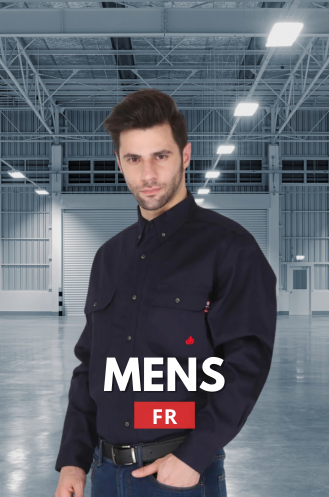


How to wash FR clothing correctly comes down to mild detergent, warm water, and gentle drying that protects the flame-resistant coating. Harsh chemicals, bleach, and high heat are the biggest reasons this protection fades. This blog covers the exact steps that keep certified FR gear safe for years.
How to Wash FR Clothing the Right Way?
Wash FR clothing inside out, in warm water, with a mild detergent and no bleach or fabric softener. This one habit prevents most of the damage seen on job sites.
Fabric softener coats the fibers and interferes with flame resistance. Bleach breaks down treated fibers faster than regular washing ever would.
Steps that matter most:
- Turn garments inside out before washing
- Use warm water, not hot
- Choose a mild, residue-free detergent
- Skip bleach and fabric softener completely
Why Does How to Wash FR Clothing Correctly Matter?
Getting this wrong slowly strips away the fire-resistant properties a worker depends on every shift. FR protection is not permanent paint. It comes from chemical treatment or fiber structure, and both weaken with poor washing habits.
A worker might not notice the damage right away. The clothing still looks fine, still fits fine, and the danger hides quietly until a real heat exposure happens on site.
This is exactly why supervisors in oil, gas, and welding industries train new staff on how to wash FR clothing correctly from day one on the job.
How to Wash FR Clothing Without Damaging the Fabric?
Avoid starch, chlorine bleach, and high dryer heat if you want the fabric to hold its protective properties. These three things cause the most damage across nearly every FR garment type.
Starch coats fibers and can actually make fabric more flammable, defeating the entire purpose of wearing FR clothing. Removing these habits is really the core of how to wash FR clothing without ruining it.
Things to avoid at all times:
- Starch or stiffening agents
- Chlorine bleach of any kind
- Fabric softeners and dryer sheets
- Ironing at very high temperatures
How to Wash FR Clothing With the Correct Detergent?
Pick a mild, dye-free detergent with no bleach in it. That single choice does more for FR fabric than almost anything else in the wash cycle.
Heavy-duty detergents often contain brighteners, and these leave a residue on the fibers. A worker won't notice, but the fabric quietly loses resistance with every wash.
Most packaging says nothing about FR compatibility. Reading the ingredient list is the real way to know what you are putting on the fabric.
Browse our collection of FR shirts made with certified flame-resistant fabrics that are easy to maintain with proper washing practices.
A safer detergent usually looks like this:
- No optical brighteners
- No bleach or bleach alternatives
- Labeled safe for treated or flame-resistant fabrics
- Low fragrance, minimal added dyes
How to Wash FR Clothing at the Right Temperature?
Set the machine somewhere between 60 and 65 degrees Celsius. That range cleans well without pushing the fiber treatment past its limit. Go hotter, and breakdown starts faster than most people expect.
Cold water barely touches oil and grease common on industrial sites. It looks clean but often is not. Warm water gets the job done without hurting the fabric, and that balance is really what temperature control comes down to when you wash FR clothing.
Drying needs the same care. Tumble dry on low heat, or skip the dryer and line dry when the site allows it.
Pair your protective clothing with our durable FR pants, engineered to retain comfort and performance through regular industrial washing.
How to Wash FR Clothing Compared to Regular Work Clothes?
FR clothing needs gentler detergents, controlled temperatures, and zero bleach, while regular work clothes tolerate rougher washing. The table below shows where the two differ.
|
Washing Factor |
FR Clothing |
Regular Work Clothes |
|
Bleach use |
Never allowed |
Often used |
|
Water temperature |
Warm, controlled |
Hot, flexible |
|
Fabric softener |
Avoid completely |
Commonly used |
|
Drying method |
Low heat or line dry |
High heat dryer |
|
Ironing |
Low temperature only |
Any temperature |
Treating FR clothing like a normal uniform is one of the fastest ways to lose its protective value, which is why how to wash FR clothing separately from regular laundry matters so much.
How to Wash FR Clothing and Where to Buy Reliable Gear?
Learning how to wash FR clothing properly pays off only if the garment was certified and durable to start with. Weak fabric loses protection fast, no matter how carefully it is washed.
Forgefronline.com is one example of a supplier that gets this right, selling certified flame-resistant workwear built for Indian industrial conditions with clear washing guidance for each fabric.
Worth confirming before ordering:
- Valid FR certification on every production batch
- Fabric composition listed clearly on the care label
- Manufacturer washing instructions included with the purchase
- A warranty or replacement policy in case the gear wears out early
Frequently Asked Questions
1. Can FR clothing be washed at home?
Yes. Knowing how to wash FR clothing correctly at home just means mild detergent, warm water, and no bleach.
2. Does ironing damage FR clothing?
High heat ironing can weaken fibers, so low temperature settings are always recommended.
3. How many washes before FR clothing loses protection?
This depends on fabric quality, but not knowing how to wash FR clothing properly speeds up the decline.
4. Is dry cleaning safe for FR clothing?
Only if the manufacturer approves it, since some dry cleaning chemicals weaken FR fibers.
5. Can fabric softener be used occasionally on FR clothing?
No, fabric softener should never touch certified flame-resistant garments, even occasionally.
Follow us on Instagram for expert FR clothing care tips, workplace safety insights, and the latest flame-resistant workwear updates.