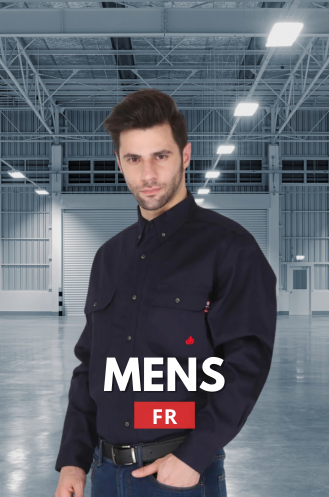

Certified FR Clothing does not melt. It chars and self-extinguishes instead of turning into a liquid that sticks to skin. This single fact separates real flame-resistant workwear from ordinary synthetic clothing sold on hazardous job sites. Workers in oil, gas, utility, and welding jobs depend on this distinction every single shift.
Does FR Clothing Melt? Lab testing under NFPA 2112 says no, provided the garment is genuinely certified and properly maintained.
Does FR Clothing Melt When Exposed to Fire?
No, properly certified fabric does not melt when it comes into contact with flame. Under NFPA 2112, the material must pass a vertical flame test without melting, dripping, or continuing to burn once the flame source is removed.
Instead of liquefying, the fibers char at the point of contact. The charred area stays solid, so it never sticks to skin the way melted synthetic fabric does.
What Makes FR Clothing Different From Regular Fabric?
FR Clothing is built or treated so its fibers resist ignition, while regular fabric like nylon or polyester melts and drips under heat. Regular synthetics turn liquid almost instantly near an open flame.
- FR Clothing: chars, self-extinguishes, stays intact
- Regular polyester or nylon: melts, drips, sticks to skin
- FR cotton: burns slowly, does not melt since cotton has no melting point
- Every batch must pass a mandatory burn test before it reaches a store shelf
Can FR Clothing Ever Fail to Perform as Expected?
Does FR Clothing Melt? Only when it is not truly certified, or when a cheap coating stands in for real fiber protection. A flame-retardant finish over a heavy polyester base can pass a small lab test yet still melt under intense, real-world heat.
|
Garment Type |
Behavior in Flame |
Risk Level |
|
Certified Inherent FR Fabric |
Chars, self-extinguishes |
Low |
|
Certified Treated FR Fabric |
Chars, self-extinguishes |
Low |
|
Uncertified "FR-Labeled" Fabric |
May melt or shrink |
High |
|
Regular Polyester or Nylon |
Melts and drips |
Very High |
Buying from a supplier who provides third-party certification is the only reliable way to confirm your FR Clothing meets NFPA 2112 or NFPA 70E requirements.
Why Do People Still Worry That FR Clothing Might Melt?
People worry because they have seen synthetic clothing melt in accidents, and they assume all workwear behaves the same way. That fear is understandable, but it does not apply once a garment is properly certified and correctly cared for.
- Old myths about melting fabric still circulate among crews
- News stories about burn injuries rarely explain fabric certification
- Workers sometimes confuse real FR Clothing with fire-retardant sprays on regular clothes
- Confusion grows when uncertified products get sold using FR-style marketing
Does FR Clothing Melt If You Wear the Wrong Layers Underneath?
Yes, the danger shifts to whatever sits underneath if that layer is not FR rated. A synthetic T-shirt worn under a certified FR shirt can still melt against your skin during a flash fire.
OSHA and NFPA 70E require that any layer touching skin be either flame resistant itself or a non-melting natural fiber such as cotton. Skipping this rule can undo the protection of an otherwise excellent outer garment.
How Do You Know Your FR Clothing Won't Melt on the Job?
Does FR Clothing Melt? Ask for the certification report, and you will have your answer in writing before you ever buy a single piece.
- Check the tag for NFPA 2112 or ASTM F1506 numbers
- Confirm the arc rating matches your actual work hazard
- Avoid garments with vague labels like "flame retardant treated" and no standard number
- Replace worn gear promptly, since damage can affect performance

Where Should You Buy FR Clothing You Can Trust?
Does FR Clothing Melt? Reliable suppliers can answer that question with a certificate, not just a promise.
Buy from sellers who publish clear certification details on every product page. A trustworthy source will also explain the difference between inherent and treated fabric, so you know exactly what you are paying for before it ever gets tested by real heat. Skipping this research step is how workers end up with gear that looks the part but fails when it matters most.
For reliable, certified flame-resistant (FR) clothing, explore Forge FR Online to find protective workwear designed to meet workplace safety needs and help you make informed purchasing decisions.
Frequently Asked Questions
1. Does FR Clothing melt like regular polyester shirts?
No. Certified fabric chars and self-extinguishes instead of melting or sticking to the skin.
2. Can uncertified FR-labeled clothing still melt?
Yes. Without proper certification, some FR-labeled fabric can melt or shrink under intense heat.
3. Is cotton clothing automatically flame resistant?
No. Plain cotton burns, but treated FR cotton is specifically processed to self-extinguish safely.
4. Why do synthetic base layers cause burns under FR gear?
Non-FR synthetic layers can melt against the skin, even when the outer garment performs correctly.
5. How often should FR Clothing be replaced?
Replace it once it shows significant wear, holes, or fails inspection, since damage can reduce protection.
Follow us on Instagram for FR gear care tips, industrial safety insights, workplace protection advice, and the latest FR workwear updates.