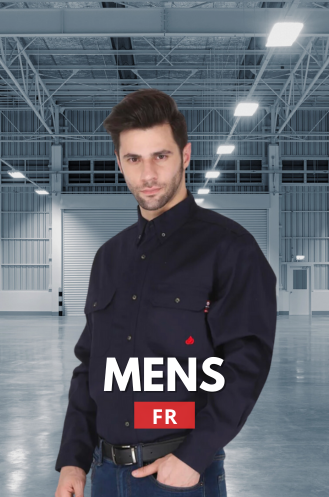

Flame resistant clothing protects workers from flash fires, electric arcs, sparks, and molten metal. Each industry faces a different hazard, so each one needs a different type of garment. The right choice depends on your job, your site, and the standards that apply.
This guide explains flame resistant clothing for welding, oil and gas, electrical, and manufacturing work. You will also learn which types exist and how to choose the right set for your team.
Why Do Different Industries Need Flame Resistant Clothing?
Different industries need flame resistant clothing because their fire and heat risks are not the same. A welder faces sparks, while a refinery worker faces flash fires.
Regular clothes cannot handle these hazards. Cotton blends can burn, and synthetic fabrics can melt onto the skin. Flame resistant clothing resists ignition and stops burning once the heat source is gone.
Many people also call it flame retardant clothing or fire resistant clothing. The names differ, but the goal is the same. It keeps a short exposure from becoming a serious burn.
Here are the main hazards by industry:
- Welding: sparks, spatter, and radiant heat
- Oil and gas: flash fires and hydrocarbon fires
- Electrical work: arc flash and intense heat
- Manufacturing: hot metal, combustible dust, and process fires
Manufacturing plants add more variety. A foundry, a chemical plant, and a food plant with fryers each carry different fire risks. Flame retardant clothing for one site may not suit another, so review each area on its own.
Fire resistant uniforms help each team wear the right gear for its own area.
Therefore, every employer should start with a hazard assessment. It shows which garments the team really needs.
What Flame Resistant Clothing Do Welders Need?
Welders need long sleeve shirts and durable pants made from flame resistant clothing fabric. Full coverage blocks sparks and spatter.
Welding throws hot metal in every direction. Short sleeves and open collars leave skin exposed. As a result, most welders choose snap front or button front shirts that close tightly at the neck and cuffs.
Fire resistant clothing for welders should also feel light enough for all-day wear. Workers who feel hot often open collars or roll sleeves, which removes protection.
Fabric weight matters too. A heavier cotton blend handles spatter better. However, it must stay breathable, because welders work in hot spaces.
Keep these points in mind:
- Choose FR flame resistant clothing with FR thread in the seams.
- Cover pockets with flaps, so sparks cannot get inside.
- Wear flame resistant pants, not regular jeans.
- Replace garments that show holes or burn marks.
Similarly, an inner tee must also be flame resistant. A regular tee can melt under heat.
Which Flame Resistant Clothing Suits Oil and Gas Workers?
Oil and gas workers need flame resistant clothing that meets NFPA 2112. This standard covers garments for flash fire exposure.
A flash fire burns fast and spreads wide. It can happen near wells, pipelines, and refineries. Garments for this work go through a manikin test that predicts burn injury.
Workers in these jobs often wear coveralls, because they cover the whole body. Others prefer a shirt and pants set for easier movement.
Hi-vis garments also play a big role. Many sites need workers to stay visible near moving vehicles and equipment. Therefore, look for FR hi-vis options when the job needs both protections.
Flame retardant clothing is also popular here, since many buyers use that name when they search online. Whatever the name, read the label for the standard.
Also check the fit. Choose a cut that moves freely and does not snag on equipment.
What Flame Resistant Clothing Do Electrical Workers Need?
Electrical workers need arc rated flame resistant clothing that meets ASTM F1506. The label shows the arc rating in calories per square centimeter.
An arc flash is a sudden release of intense heat. It lasts a fraction of a second, but it can cause severe burns. Therefore, the arc rating on the label is the key number.
NFPA 70E helps employers match the rating to the task. A higher rating means more protection.
FR flame resistant clothing for electricians should also be comfortable. A soft and flexible fabric makes it easier to climb, bend, and reach in tight panels.
Fire resistant clothing for electrical work should follow these rules:
- Check the arc rating before every purchase.
- Wear arc rated layers from top to bottom.
- Avoid any synthetic underlayer that can melt.
- Keep garments clean, because oil can reduce protection.
Manufacturing teams face similar risks. Plants that handle hot metal, chemicals, or combustible dust often need the same type of protection.
What Types of Flame Resistant Clothing Are Available?
You can choose from shirts, pants, jeans, coveralls, jackets and vests, sweatshirts, and tees. Each type fits a different task.
Fire resistant uniforms are also common. Employers use them to give teams a matching and professional look, while keeping everyone protected.
Fire resistant uniforms save time for managers too. One approved set makes it easy to check that every worker wears the right gear.
FR flame resistant clothing comes in men’s and women’s cuts, so every worker can find a proper fit.
The table below shows how common garments compare.
|
Garment |
Best For |
Main Benefit |
|
FR shirt |
Welding, electrical |
Arm and torso cover |
|
FR pants and jeans |
All industries |
Leg protection |
|
FR coverall |
Oil and gas, plants |
Full body cover |
|
FR jacket or vest |
Cold or outdoor sites |
Warmth and visibility |
|
FR tee |
Base layer |
Comfort under workwear |
|
FR uniform set |
Large teams |
Matching and consistent look |
Fire resistant clothing for teams works best when sizes are ordered in advance.
Layering works well in all of these cases. However, every layer must be flame resistant. One weak layer can break the whole system.
How Do You Select the Right Flame Resistant Clothing for Your Industry?
Start with a hazard assessment, then match the garment to the hazard. Check the standards, the arc rating, and the fit.
Follow these steps:
- List every fire, flash, and arc risk on your site.
- Pick garments that list the right standards.
- Match the arc rating to the task.
- Choose a fabric weight that suits your climate.
- Buy fire resistant uniforms for teams that need a unified look.
Fire resistant clothing should be tested against your hazards, not chosen by price alone. Flame retardant clothing that lacks proper labels should be avoided.
Care also matters. Wash garments as the label says. Avoid bleach and fabric softener. Replace any piece that has holes, thin spots, or heavy stains.
Forge FR offers a wide range of flame resistant clothing for men and women. You can browse FR shirts, FR jeans, coveralls, and hi-vis wear on the Forge FR website.
Always open each product page and read the listed standards before you order.
What Are the Common Questions About Flame Resistant Clothing?
1. What is flame resistant clothing?
It is workwear made to resist ignition and stop burning when the heat source is removed. FR flame resistant clothing is the common term in the workwear trade.
2. Is flame retardant clothing the same as flame resistant clothing?
People use both terms for the same purpose. Always check the label and the standards listed.
3. Which standard do oil and gas workers need?
NFPA 2112 is the key standard for flash fire protection in FR flame resistant clothing.
4. Do electrical workers need arc rated clothing?
Yes. Arc rated garments follow ASTM F1506 and show a rating on the label.
5. Can fire resistant uniforms be worn by large teams?
Yes. Employers often choose matching sets so every worker stays protected and consistent.