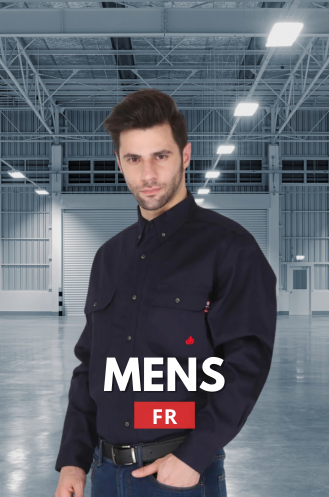


FR gear stops protecting you the moment its fabric loses its flame-resistant coating, and this usually happens long before the clothing looks worn out. Fading colour, thinning fabric, and a fit that has changed over time are the clearest signs. Most workers keep wearing damaged gear simply because it still looks fine from a distance, which is exactly what makes this risk so easy to miss on a busy job site.
How Do You Know If Your FR Gear Has Stopped Protecting You?
Fading fabric, a rougher texture, and stretched-out seams are the first signs that FR gear has stopped doing its job.
- Colour that has visibly faded from repeated washing
- Fabric that feels thinner or rougher than when new
- Seams that have loosened or started to fray
- Holes, tears, or burn marks anywhere on the garment
- A fit that no longer sits the way it used to
Any one of these on its own might not mean much, but two or more together usually mean it is time for a replacement.
Why Does FR Gear Lose Its Protection Over Time?
FR gear loses protection because repeated washing, sun exposure, and daily wear slowly break down the fibres that make it flame resistant.
Flame resistant clothing works because of how the fabric itself is built, not because of a coating sprayed on top in most cases. Once that fabric structure starts breaking down, the garment cannot perform the way it did on day one. Heat, friction, and harsh detergents all speed up this process.
What Are the Warning Signs of Worn-Out FR Gear?
Visible damage such as tears, thinning patches, and shrinkage are the clearest warning signs that this kind of gear needs a closer look.
- Small holes near pockets or seams
- Fabric that has become noticeably thinner
- Shrinkage that changes how the garment fits
- Grease or oil stains that will not wash out
- A chemical smell that lingers after washing
Workers often assume these are cosmetic issues. In reality, each one points to fire retardant clothing that may no longer meet safety standards.
How Does Washing Affect FR Gear Performance?
The wrong detergent or water temperature can quietly strip away the fabric's flame-resistant properties, sometimes within just a few wash cycles.
|
Washing Habit |
Effect on the Fabric |
|
Using regular fabric softener |
Coats fibres and reduces flame resistance |
|
Washing in very hot water |
Speeds up fibre breakdown |
|
Bleach-based detergents |
Weakens fabric strength over time |
|
Overloading the washing machine |
Causes uneven wear and friction damage |
|
Air drying instead of high heat |
Helps the garment last longer |
Most workers never check the care label, yet that step makes a real difference to how long flame resistant clothing holds up.
How Often Should FR Gear Be Replaced?
There is no fixed rule, but one to two years is a reasonable estimate for FR gear worn on a daily basis.
- Daily wear in high-heat environments wears out fabric faster
- Garments used only occasionally may last closer to three years
- Any visible damage calls for immediate replacement, regardless of age
- Manufacturer labels often list an expected service life
- Regular inspections catch problems before an incident does
Most people wait until damage becomes obvious before replacing anything, and that is usually too late. By that point, protection has often been reduced for months.
What Is the Difference Between FR Gear and Regular Workwear?
The core difference comes down to what happens when fire actually touches the fabric. FR gear is built to resist ignition and self-extinguish, while regular workwear offers no such protection and can end up fuelling the fire instead.
- Regular cotton or polyester can melt or continue burning
- Certified gear is engineered to stop burning once the heat source is removed
- Flame resistant clothing meets specific industry safety standards
- Regular workwear carries no certification for arc flash or flash fire risk
- Mixing certified pieces with non-FR layers reduces overall protection
None of this is optional for anyone working near open flames, arc flash risks, or combustible materials. Certified fire retardant clothing is the only option worth considering, not a cheaper look-alike substitute.
How Can You Extend the Life of Your FR Gear?
A few small habits make a bigger difference than most people expect, and none of them take much extra time.
- Wash separately from regular clothing to avoid contamination
- Repair small tears before they widen
- Store away from direct sunlight and extreme heat
- Avoid ironing at high temperatures
- Replace immediately after any fire-related incident
Explore our collection of FR gear and protective workwear accessories designed to support workers in demanding industrial environments.

Good fire retardant clothing is not cheap, so treating it with care is worth the effort. For reliable options built for daily industrial use, Forgeforce Online is worth a look.
Frequently Asked Questions
1. How do I know if my FR gear still works?
Check for fading, thinning fabric, and loose seams, since these signal reduced flame resistance.
2. Can FR gear be washed with regular clothes?
No, washing separately prevents contamination from lint and fibres that reduce flame resistance.
3. How long does FR gear typically last?
Most FR gear lasts one to two years with daily use, less in high-heat environments.
4. Is flame resistant clothing the same as fireproof clothing?
No, flame resistant clothing resists ignition and self-extinguishes, but nothing is fully fireproof.
5. Does fabric softener damage FR gear?
Yes, fabric softener coats the fibres and reduces flame-resistant properties over time.
Follow us on Instagram for FR gear care tips, industrial safety insights, workplace protection advice, and the latest FR workwear updates.
