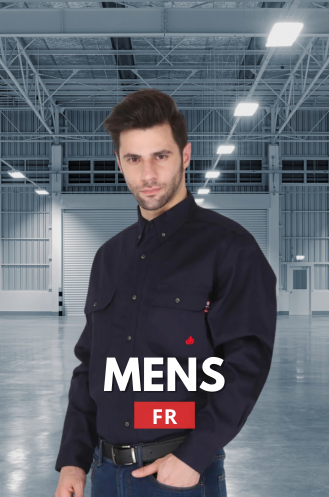


Our FR shirts held up well through a full 12-hour shift, with the heavier fabric weight and reinforced seams outlasting everything else on the garment. Sweat resistance dropped noticeably after hour eight, and stitching around the pockets showed the first real signs of stress by the end. This test focused on real, all-day wear conditions rather than a lab setting, since that is where FR shirts actually earn their keep.
How Did FR Shirts Perform During a 12-Hour Shift Test?
They held their shape and flame resistance through the full shift, though comfort dropped in the final few hours.
- Fabric strength stayed consistent from hour one to hour twelve
- Colour held up better on heavier-weight shirts
- Breathability dropped after continuous sweat exposure
- Seams near high-movement areas showed early wear
- Collar and cuffs stayed intact throughout the shift
Overall, the shirts did what they were built to do, but a few weak spots stood out clearly by the end.
What Makes FR Shirts Different From a Regular Welding Shirt?
FR shirts are engineered to self-extinguish and resist ignition, while a standard welding shirt without certification offers no such guarantee.
|
Feature |
Certified FR Shirts |
Regular Welding Shirt |
|
Flame resistance |
Built into the fabric fibres |
Depends on material only |
|
Self-extinguishing |
Yes, stops burning on its own |
No, may continue burning |
|
Arc flash rating |
Usually certified |
Rarely certified |
|
Durability under heat |
Consistent across shifts |
Wears down faster |
|
Long-term cost |
Higher upfront, lasts longer |
Cheaper, replaced more often |
Anyone working around sparks, arc flash, or open flame needs the certified option, not a look-alike substitute.
Which Fabric Features Helped These Shirts Hold Up Longest?
Heavier fabric weight and reinforced stitching were the two features that made the biggest difference in how well FR shirts held up.
- Ripstop weave resisted small tears from sparks
- Double-stitched seams held together under repeated movement
- Slightly heavier fabric weight resisted thinning
- Ventilated back panels reduced heat buildup
- Reinforced pockets stayed intact under daily use
Lighter shirts felt more comfortable early in the shift, but they showed wear far sooner than the heavier options.
How Did the Shirts Handle Heat and Sweat Over 12 Hours?
Heat and sweat were the biggest factors affecting comfort, though the flame-resistant properties stayed unaffected throughout.
- Sweat buildup increased noticeably after hour eight
- Fabric breathability mattered more than shirt weight for comfort
- Ventilated designs kept core body temperature more stable
- Moisture did not weaken the flame-resistant coating
- Shirts with mesh panels dried faster during short breaks
None of the sweat exposure reduced flame resistance in any shirt tested, which matched what the fabric certification promised.
What Wore Out First on the FR Shirts We Tested?
Pocket stitching and underarm seams wore out first, well before the main fabric body showed any real damage.
- Pocket seams loosened from repeated tool use
- Underarm stitching stretched from constant movement
- Cuff elastic lost some grip by the end of the shift
- Collar stitching held up better than expected
- Zippers and buttons stayed functional throughout
These wear points matter more for daily buyers than overall fabric strength, since stitching failures usually show up long before the fabric itself does.
How Should You Choose the Right FR Shirts for Long Shifts?
Choosing the right shirt for long shifts comes down to fabric weight, ventilation, and how the seams are reinforced.
- Pick a heavier fabric weight for high-spark environments
- Choose ventilated designs for hot, indoor work
- Check for reinforced stitching around pockets and underarms
- Confirm certification labels before buying any welding shirt
- Try a size that allows movement without excess loose fabric
A well-fitted welding shirt reduces fatigue over a long shift far more than most workers expect.
How Can FR Shirts Be Made to Last Through Repeated Shifts?
Proper washing and early repairs are the two habits that extend their life the most.
- Wash separately from regular clothing
- Repair loose stitching before it becomes a tear
- Avoid high-heat drying that weakens fibres over time
- Rotate between two shirts to reduce daily wear
- Replace immediately after any burn or fire exposure
For anyone shopping for a reliable welding shirt built for long shifts, the range at ForgeFR Shirts is worth checking out.
Frequently Asked Questions
1. How long do FR shirts typically last with daily use?
Most FR shirts last one to two years with daily wear, depending on fabric weight and care.
2. Are FR shirts the same as a welding shirt?
Not always. A welding shirt only qualifies as FR if it carries proper flame-resistant certification.
3. Does sweat reduce the flame resistance of FR shirts?
No, moisture does not weaken the certified flame-resistant properties built into the fabric.
4. What wears out first on FR shirts?
Pocket and underarm stitching usually wear out before the main fabric shows damage.
5. Should FR shirts be washed differently from regular clothes?
Yes, washing separately prevents lint contamination that can reduce flame resistance over time.
Follow us on Instagram for FR gear care tips, industrial safety insights, workplace protection advice, and the latest FR workwear updates.