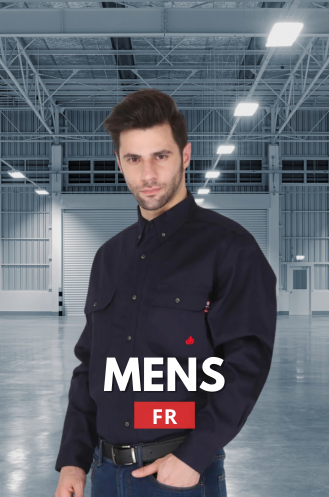


FR clothing typically lasts between one and three years, depending on how often it gets worn, washed, and exposed to heat. Fabric quality and job conditions push that number up or down. This blog breaks down what shortens the life of this protective gear and how to spot the moment it stops doing its job.
How Long Does FR Clothing Actually Last?
Most FR clothing holds up for one to three years under regular industrial use, though heavy daily wear cuts that timeline in half. A welder working outdoors every day burns through protective gear faster than someone in a climate-controlled facility.
Fabric type plays a role too. Treated cotton wears out sooner than inherently flame-resistant synthetic blends, since the treatment fades with repeated washing.
A few factors that decide lifespan:
- Frequency of wear and washing
- Exposure to heat, sparks, or chemicals
- Fabric type and construction quality
- Storage conditions between shifts
Why Does FR Clothing Wear Out Faster Than Regular Clothing?
FR clothing wears out faster because it works constantly against heat, sparks, and abrasion that ordinary workwear never has to handle. Every exposure chips away slightly at the fabric's protective coating or fiber strength.
Regular clothing just needs to look decent and survive a wash cycle. Protective gear carries a bigger job. It has to keep performing at a certified safety level even after months of grime, sweat, and repeated laundering.
This is exactly why manufacturers set replacement timelines instead of leaving it to guesswork.
What Are the Early Signs Your FR Clothing Needs Replacing?
Fading, thinning fabric, and broken stitching are usually the first red flags that FR clothing needs replacing. The tricky part is these changes creep in slowly, so many workers do not notice until the damage is already serious.
Here is what to actually watch for:
- Fabric feels thinner, or even a little see-through in spots
- Fading that goes well past normal color loss from sun and sweat
- Any holes, tears, or seams starting to fray
- Stiffness that just will not soften, no matter how many washes
One sign on its own is worth a second look. Spot two or three together, though, and it is time for a new set.
How Does Washing Affect FR Clothing Lifespan?
Washing plays a bigger role in FR clothing lifespan than most people assume, since harsh detergents and high heat drying strip away the flame-resistant treatment over time. A few bad wash cycles can undo months of built-up protection.
Stick to mild detergents, wash in cold or warm water, and air dry when you can. Fabric softener is where a lot of people go wrong, since it coats the fibers and quietly reduces both breathability and flame resistance.
Following the care label is not optional here. It is part of what keeps the certification valid.
If you're replacing gear for an entire team, read our FR Wholesale Clothing guide to learn how bulk purchasing can help maintain safety while reducing replacement costs.
Which Factors Shorten FR Clothing Life on the Job Site?
Heat exposure, chemical contact, and rough handling are the biggest factors that shorten FR clothing life on any job site. Sites with welding sparks or chemical splashes wear down protective fabric faster than office-adjacent industrial roles.
Common culprits on site include:
- Repeated exposure to sparks or open flame
- Contact with oils, solvents, or acids
- Rough handling during storage or transport
- Skipping recommended washing instructions
Reducing even one or two of these factors adds real months to the clothing's usable life.
How Often Should You Inspect FR Clothing for Damage?
FR clothing needs a quick check before every shift, plus a more thorough look once a month for wear that builds up slowly. That daily glance takes ten seconds and catches the obvious stuff, like tears or burn marks, before the shift even starts.
|
Inspection Type |
Frequency |
What to Check |
|
Quick visual check |
Before every shift |
Tears, burns, loose stitching |
|
Detailed inspection |
Monthly |
Fading, fabric thinning, seam strength |
|
Professional assessment |
Every 6-12 months |
Overall certification compliance |
Skip the inspections long enough, and you end up wearing gear that looks fine but has stopped doing its actual job.
Where Can You Buy Reliable FR Clothing in India?
The safest bet is buying FR clothing from a certified industrial safety supplier, since that is the only real way to guarantee both protection and fabric quality. Forgefronline.com stocks flame-resistant workwear built for Indian industrial and climate conditions, a solid place to look when replacement time rolls around.
A good supplier does more than sell the product. They usually walk you through care instructions too, which stretches the life of whatever you buy.
Before placing a replacement order, get certification documents, correct sizing, and fabric composition details confirmed in writing.
Looking for dependable everyday protection? Explore our FR Shirts collection to find certified flame-resistant shirts built for comfort, durability, and long-lasting performance on demanding job sites.

Frequently Asked Questions
1. How often should FR clothing be replaced?
Most FR clothing needs replacing every one to three years, depending on usage and exposure levels.
2. Can FR clothing lose its protection without visible damage?
Yes, repeated washing and heat exposure can reduce flame resistance even when the fabric still looks fine.
3. Does washing FR clothing at home reduce its lifespan?
Yes, using the wrong detergent or drying method can weaken flame-resistant treatments faster than expected.
4. Is faded FR clothing still safe to wear?
Fading beyond normal levels often signals reduced protection, so it should be inspected closely before continued use.
5. Should FR clothing be replaced after a small tear?
Yes, even small tears can compromise the fabric's ability to block heat and flame.
Follow us on Instagram for expert FR clothing tips, safety insights, and the latest workwear updates!